
The Return of the Cozy Home: Why 2026 Design is Shifting Away from Minimalism

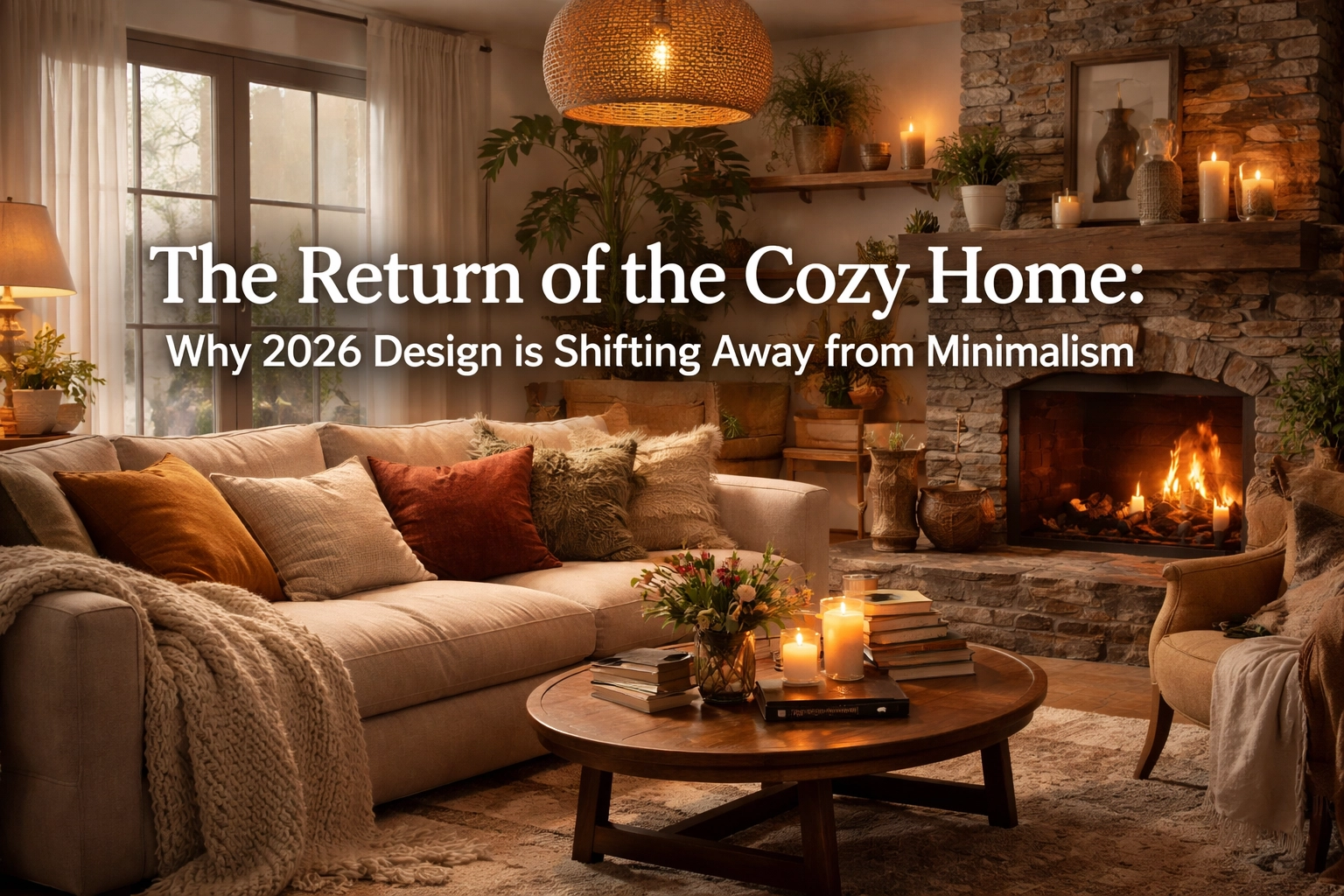
Remember when every home on the market looked like it belonged in a Scandinavian furniture catalog? White walls, gray accents, and furniture so sparse you wondered if anyone actually lived there. Well, that era is officially behind us. In 2026, buyers are craving something completely different, and if you are an investor still staging properties like it is 2019, you might be leaving serious money on the table.
The design world has spoken, and the verdict is clear: warmth wins. Cozy is the new cool. And for those of you flipping houses or preparing rentals for the market, this shift represents a massive opportunity to connect with what buyers and renters actually want right now.
Let us dive into why this is happening and, more importantly, how you can use it to your advantage.
Why Minimalism Lost Its Grip
For over a decade, minimalism dominated everything from interior design magazines to Instagram feeds. The promise was simple: less stuff equals less stress. But somewhere along the way, those pristine white interiors started feeling less like peaceful retreats and more like cold, impersonal showrooms.
The truth is, people got tired of living in spaces that looked beautiful but felt empty.
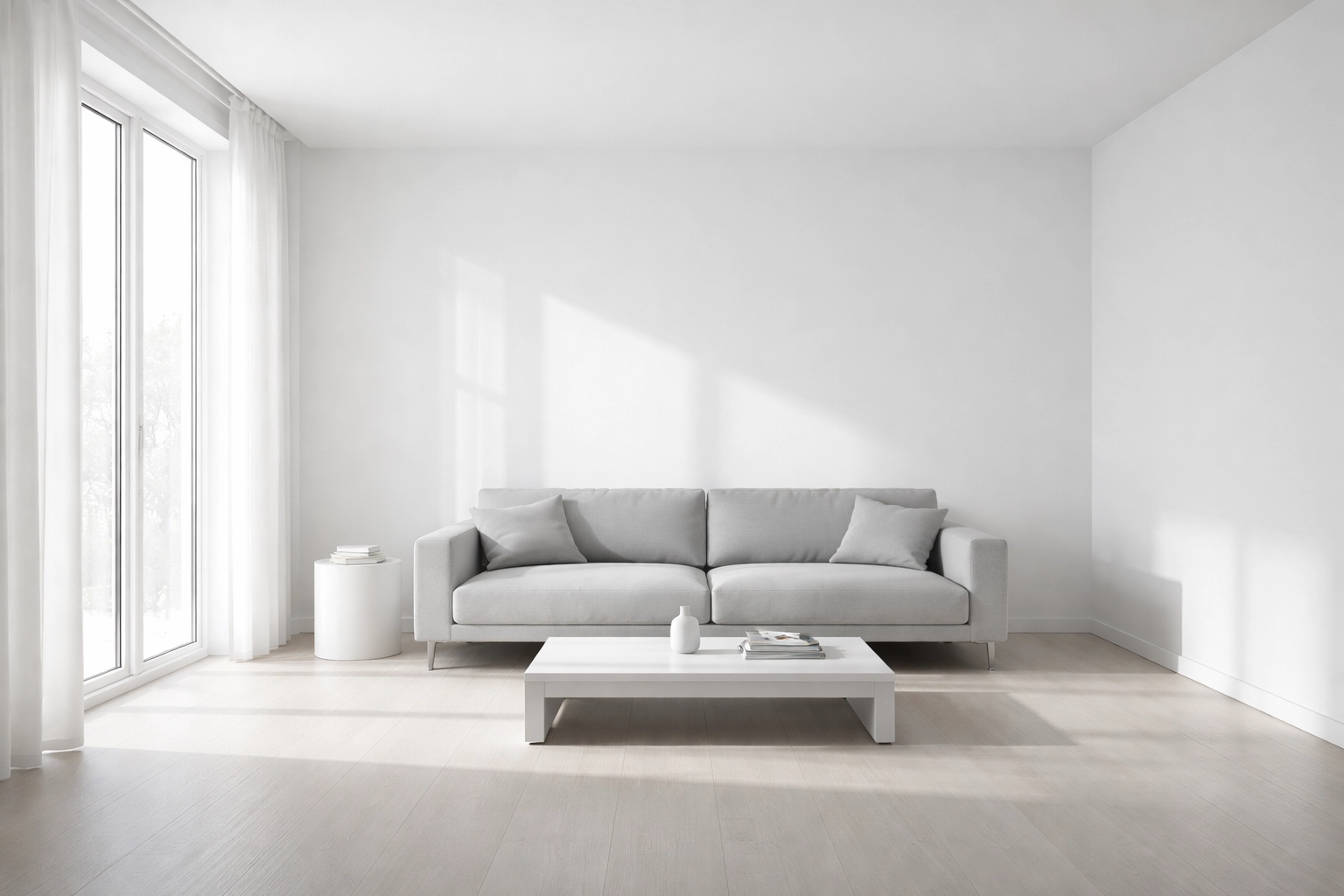
According to design experts, clients are now explicitly requesting homes that feel "layered and authentic, with design that supports how people actually live and feel." That is a pretty significant shift from the previous goal of achieving showroom-perfect aesthetics at all costs.
Several factors are driving this change:
Wellness took center stage. After years of global uncertainty, people are prioritizing their mental and physical well-being more than ever. They want bedrooms that support better sleep and living spaces that genuinely feel relaxing, not just look relaxing in photos.
Authenticity became valuable. There is a growing hunger for spaces that feel collected over time rather than designed all at once. Buyers want to walk into a home and sense character, history, and personality.
The all-white era officially ended. Color specialists have declared that the reign of icy gray palettes and sterile white interiors has come to an end. People are ready for warmth, depth, and visual richness again.
What Cozy Actually Looks Like in 2026
So what does this new design direction look like in practice? It is not about cluttering spaces or going back to heavy, dated aesthetics. The 2026 version of cozy is sophisticated, intentional, and deeply inviting.
Rich, Enveloping Color
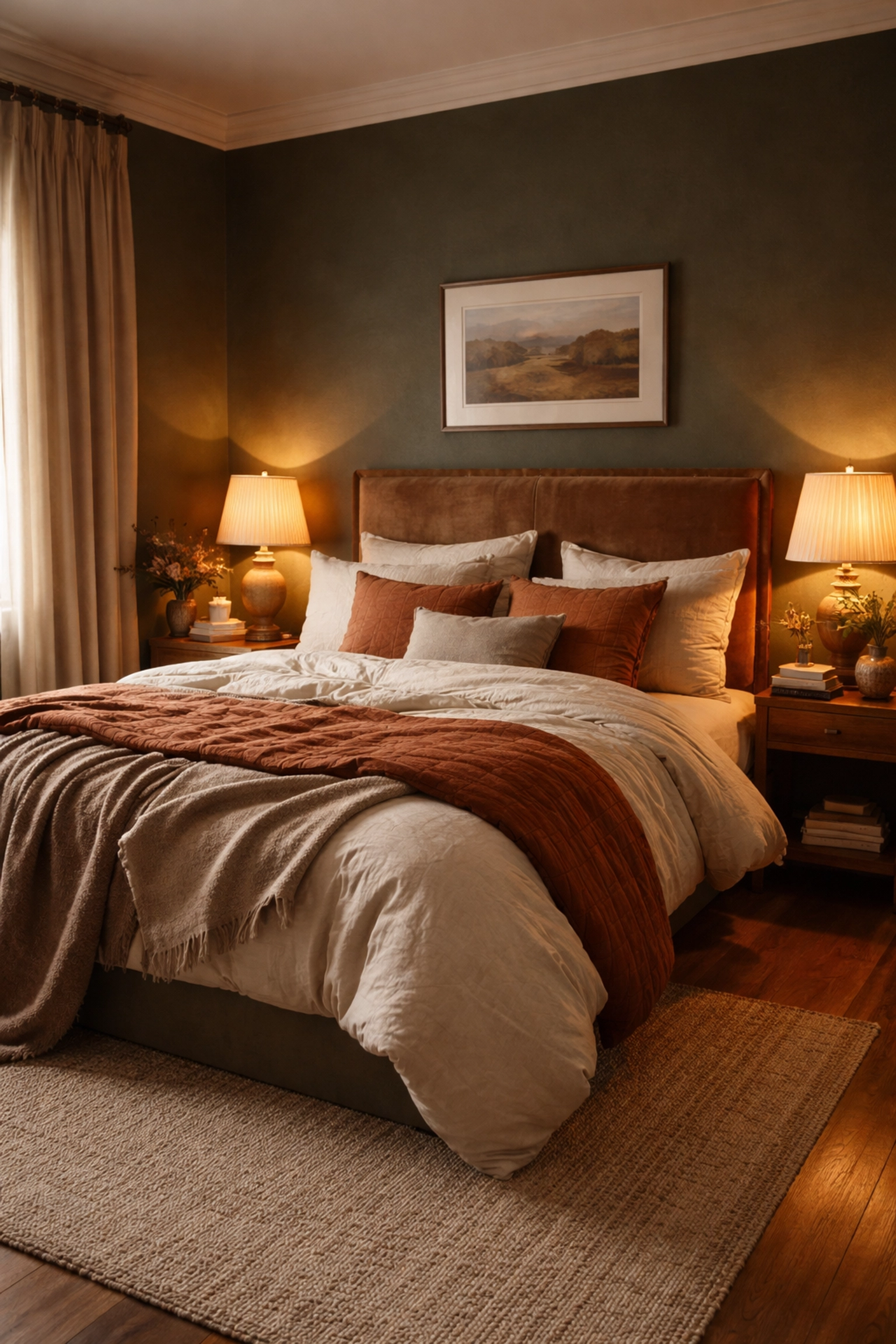
Forget accent walls. The trend now is color-drenching, where walls, trim, and even ceilings are painted in unified, saturated hues. Think deep blue-grays, smoky olive greens, warm terra cottas, and rich browns. When done right, these fully drenched spaces eliminate visual noise and create an immersive, cocooning effect that buyers immediately respond to.
Texture Everywhere
Flat, smooth surfaces are out. Layered textures are in. We are talking tall padded headboards, upholstered wall panels, and luxurious fabrics like silk, mohair, and washed linen. These elements add tactility, soften acoustics, and create intimate spaces that feel tailored and thoughtful.
Curves Over Sharp Lines
Rigid geometric furniture has given way to soft, rounded silhouettes. Curved sofas, organic-shaped coffee tables, and arched doorways create a more welcoming flow throughout a home. These forms encourage conversation and make spaces feel less formal and more livable.
Vintage and Collected Pieces
Homeowners are increasingly turning to vintage and antique furnishings as a foundation for decorating. Pre-loved, patinated pieces add depth and warmth in ways that brand-new furniture simply cannot replicate. A home that looks like it has been curated over decades feels far more desirable than one that looks like everything was ordered from the same catalog last week.
Hidden Technology
There is a deliberate movement toward what designers call "analog spaces." Televisions are hidden behind artwork or panels, charging stations are integrated rather than visible, and bedrooms in particular are being designed as tech-free sanctuaries. This supports the wellness priorities that are driving so much of this design shift.
What This Means for Investors Staging Properties
Here is where things get exciting for you. If you are in the business of buying, renovating, and selling properties, understanding this design shift is not just interesting, it is profitable.
Staging has always been about helping buyers emotionally connect with a property. When you stage a home in a way that feels cold or outdated, you create a barrier between the buyer and their vision of living there. But when you stage a home that feels warm, layered, and genuinely inviting, you are essentially handing them the keys to their dream life.
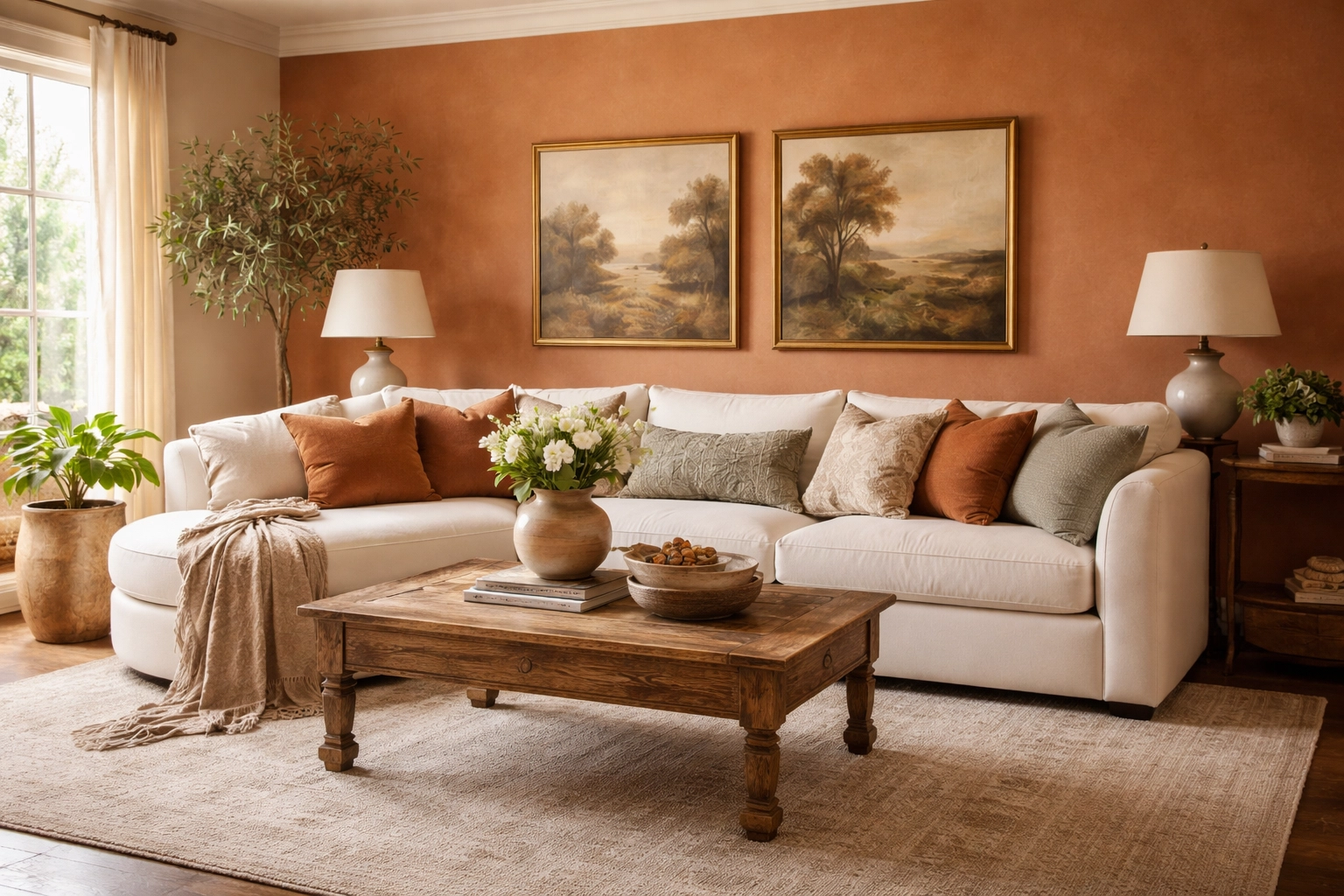
Paint is your most powerful tool. A gallon of deep, warm paint costs the same as a gallon of stark white. But the emotional impact is completely different. Consider drenching a primary bedroom in a rich, cozy hue. It photographs beautifully and makes an instant impression during showings.
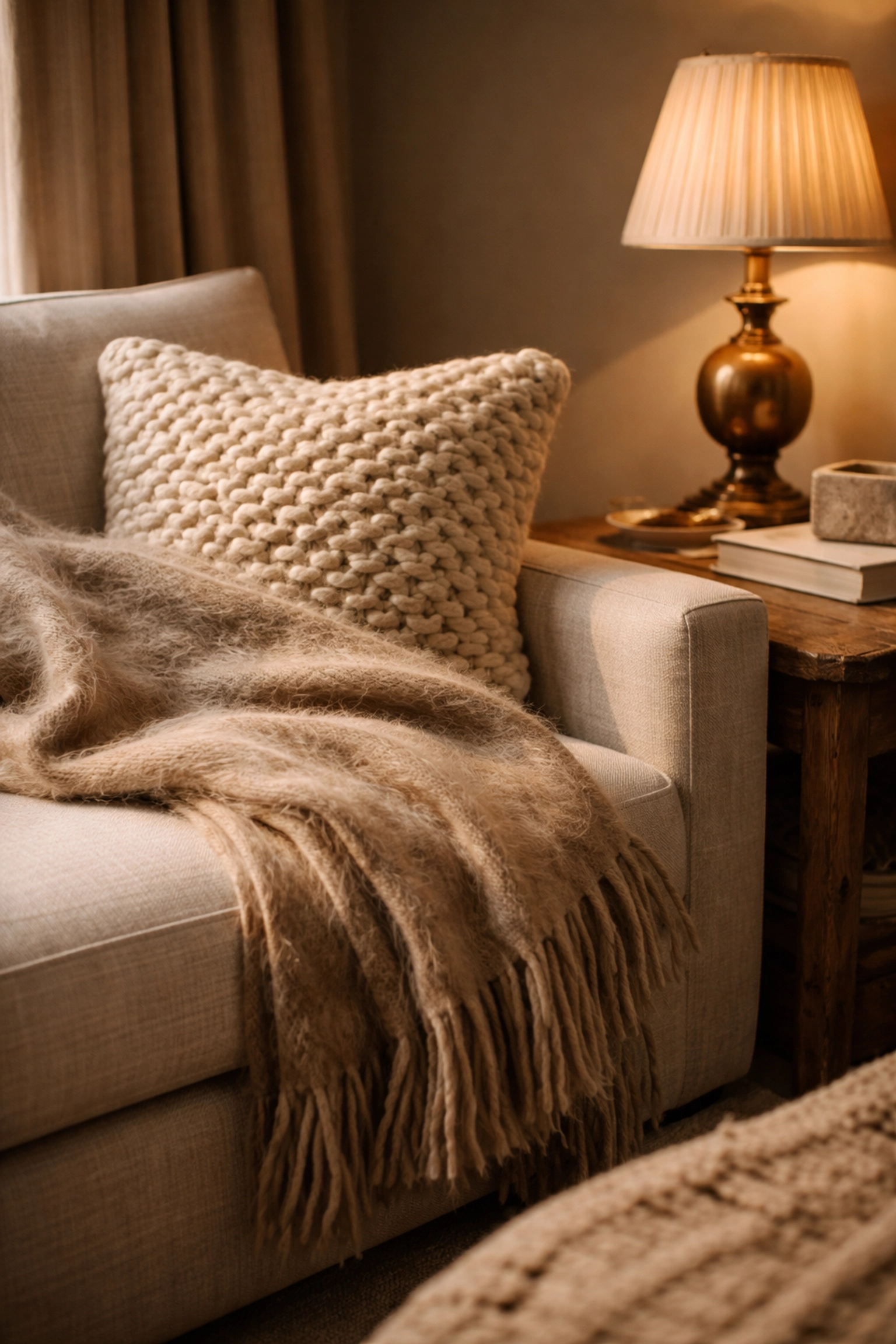
Invest in texture. Swap out flat bedding for layered linens. Add throw pillows in varied fabrics. Include a plush area rug. These small touches signal comfort and quality without requiring a massive budget increase.
Mix old and new. You do not need to furnish entirely with antiques, but incorporating a few vintage pieces into your staging can add the character and authenticity buyers are craving. Check out estate sales, thrift stores, and online marketplaces for affordable finds that make a big impact.
Embrace curves. If you are purchasing staging furniture, consider pieces with softer lines. A curved sofa or rounded dining chairs can completely transform the feel of a room.
Create tech-free zones. When staging bedrooms especially, resist the urge to mount a TV on the wall. Instead, create a serene, restful atmosphere that speaks to the wellness-focused buyer.
Practical Tips to Get Started
Ready to put this into action? Here are some straightforward ways to incorporate the cozy trend into your next flip or rental staging:
-
Start with color samples. Before committing, test a few deep, warm paint colors on the walls. See how they look in different lighting throughout the day.
-
Layer your lighting. Overhead fixtures alone feel harsh. Add table lamps, floor lamps, and even candles to create warmth and depth.
-
Think about scent. This one is often overlooked, but a home that smells warm and inviting reinforces the cozy aesthetic. Consider subtle, natural scents like vanilla, cedar, or fresh linen during showings.
-
Do not over-stage. Cozy does not mean cluttered. The goal is thoughtful layering, not filling every corner with stuff. Leave breathing room while still creating warmth.
-
Update window treatments. Heavy curtains in rich fabrics can completely transform a room. They add softness, improve acoustics, and make spaces feel more finished.
Stay Ahead of the Curve
Design trends come and go, but the underlying psychology here is not going anywhere. People want homes that make them feel good, not just homes that look good on paper. The shift toward cozy, character-filled spaces reflects a deeper desire for authenticity, comfort, and connection.
As an investor, staying tuned into these shifts gives you a real competitive edge. When your staged property feels like a warm, welcoming sanctuary while the competition still looks like a sterile furniture showroom, guess which one buyers are going to remember?
For more insights on maximizing your real estate investments, check out our other articles over at Quixsale. Whether you are a seasoned flipper or just getting started, understanding what buyers want right now is one of the smartest moves you can make.
The cozy home is back. Make sure your next property is ready for it.