
Are Open Floor Plans Still King? What 2026 Buyers Actually Want

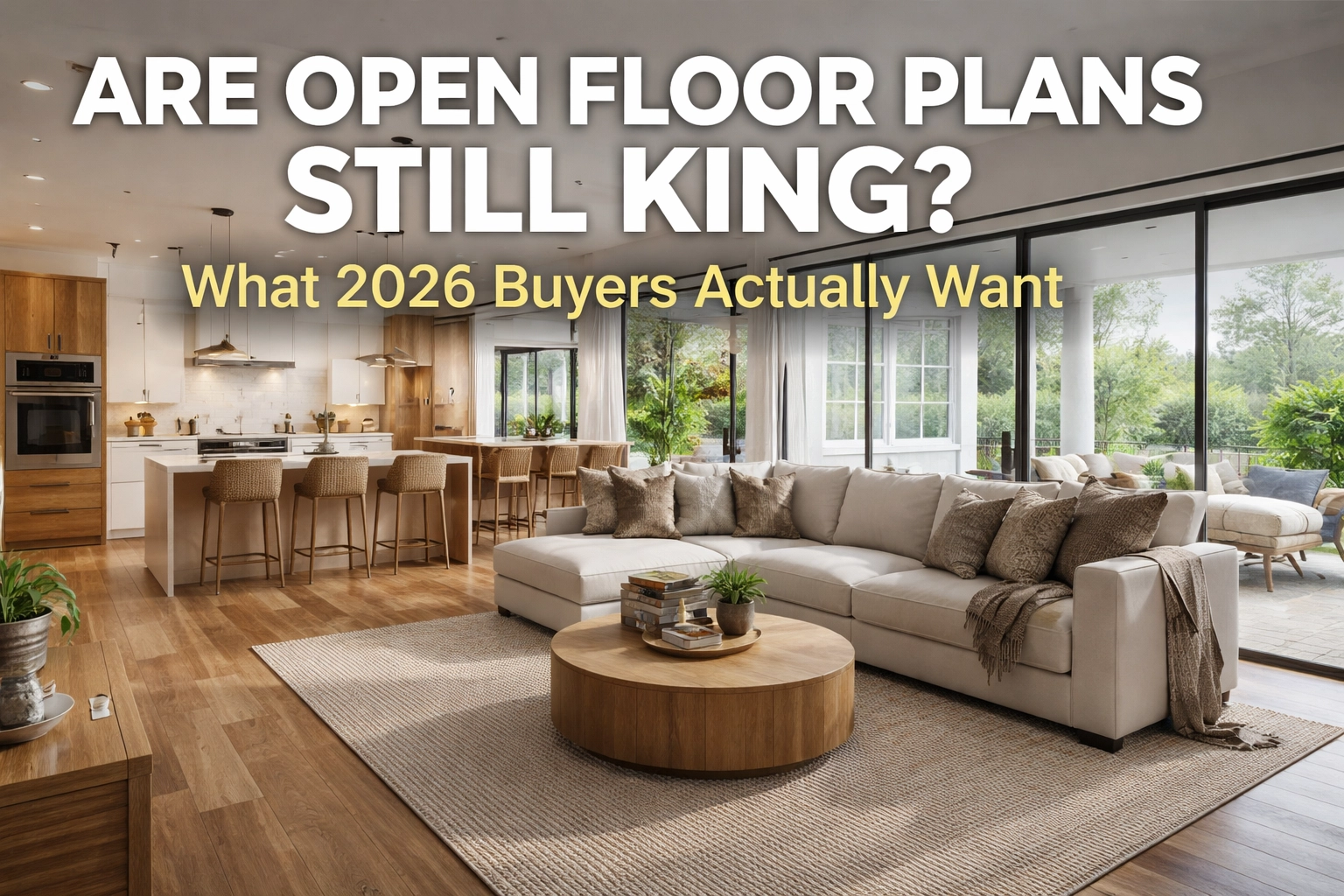
For the better part of two decades, the open floor plan has reigned supreme in residential real estate. Walls came down, kitchens merged with living rooms, and sight lines stretched from one end of the house to the other. If you were flipping a property or prepping a rental, knocking out a wall or two was practically standard operating procedure.
But here we are in 2026, and the question on every savvy investor's mind is this: Are buyers still swooning over wide-open spaces, or has the tide finally turned?
The short answer? Open floor plans are not dead. But they have evolved in some pretty significant ways. And if you want to stay ahead of the curve and maximize your ROI, you need to understand exactly what today's buyers are looking for when they walk through the door.
Let's break it down.
The Great Shift: From Wide Open to Thoughtfully Zoned
Here is the truth that might surprise you: buyers in 2026 still love the flow and connectivity that open-concept designs provide. They want to be able to chat with family while cooking dinner. They want natural light to travel freely through the home. They want that airy, spacious feeling.
What they do not want anymore is one giant, echoey room where every sound bounces off the walls and there is nowhere to escape for a little peace and quiet.
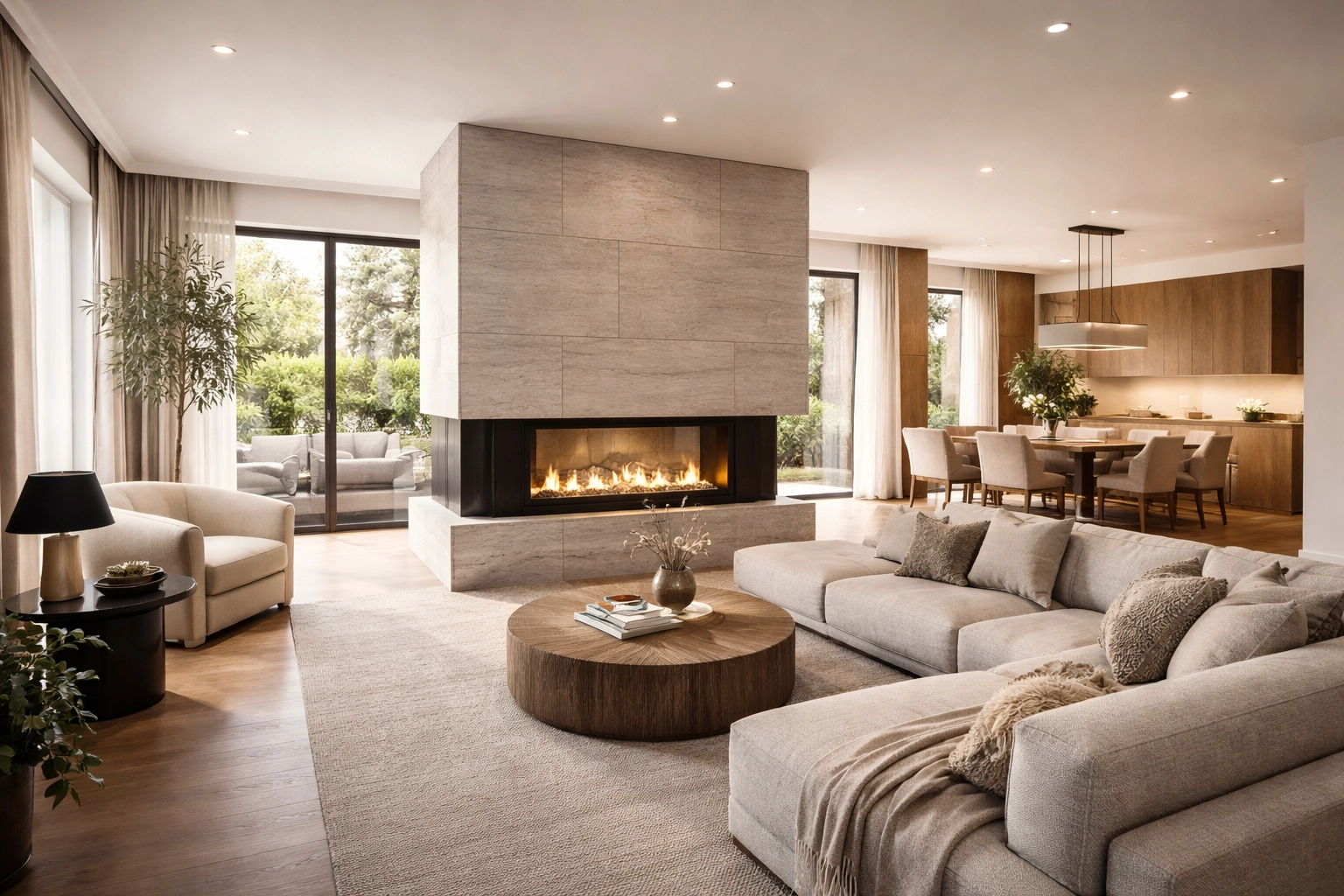
Enter the "zoned" open concept. This is the evolution that smart investors need to pay attention to. Instead of completely open spaces or fully closed-off rooms, buyers are gravitating toward layouts that use architectural elements to define distinct areas without sacrificing that connected feel.
Think double-sided fireplaces that separate the living room from the dining area. Breakfast nooks tucked into a corner of the kitchen. Sliding barn doors or glass partitions that can open up or close off spaces as needed. Subtle changes in flooring or ceiling height that visually distinguish one zone from another.
The goal is flexibility. The home should feel open when you want it to feel open, and private when you need a little separation. This is especially important in a world where remote work is still a major factor and families are spending more time at home than ever before.
What 2026 Buyers Actually Prioritize
If you are looking to flip a property or upgrade a rental to command higher rents, understanding buyer priorities is everything. Here is what is topping the list this year.
Flexible, Multi-Purpose Rooms
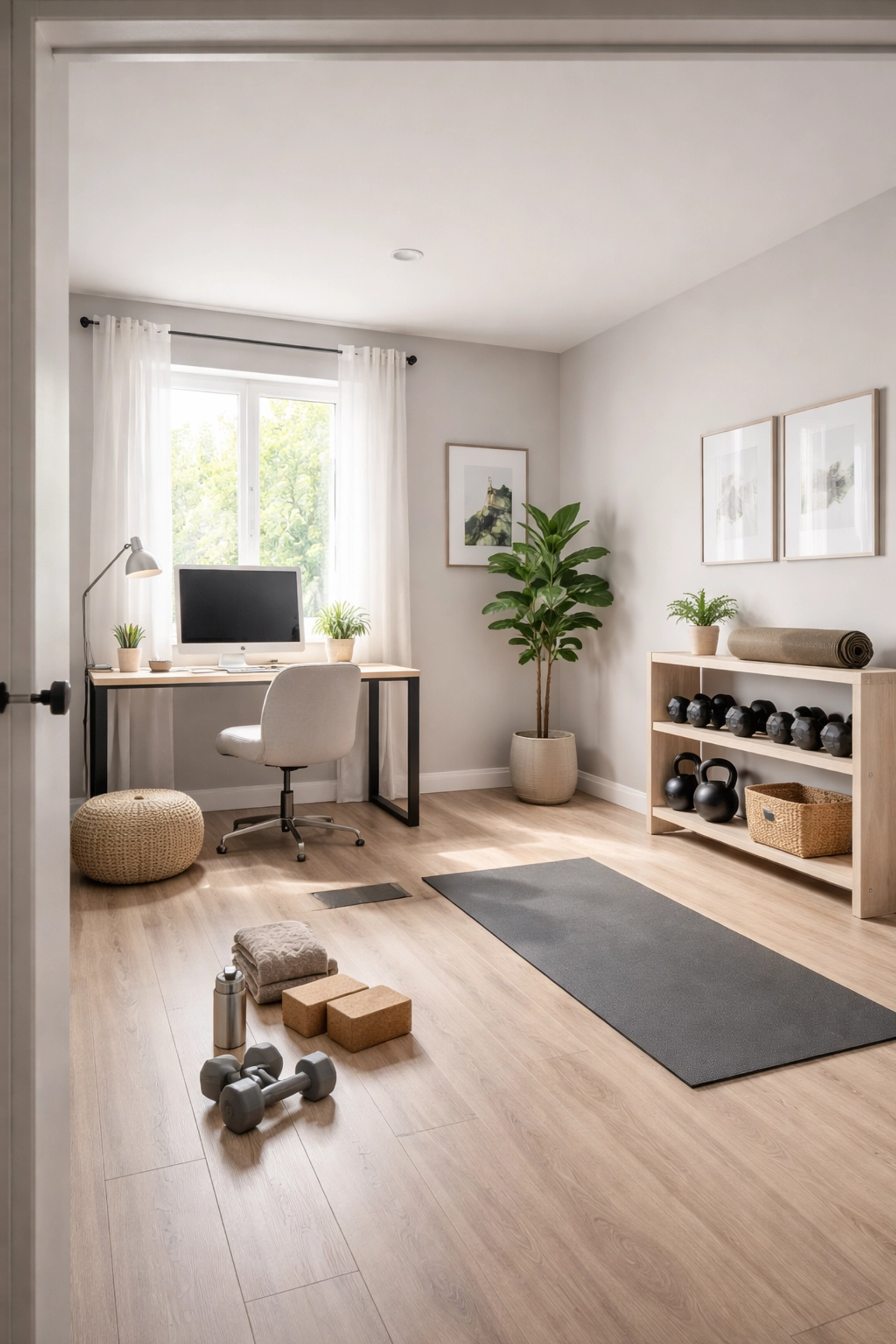
Flex rooms have gone from a nice bonus to a non-negotiable feature. Buyers want at least one space in the home that can adapt to their lifestyle, whether that means a home office, a workout room, a playroom for kids, a craft studio, or even a dedicated pet space.
This is a direct result of the post-pandemic shift in how people live. Homes are no longer just places to sleep and eat. They are where people work, exercise, learn, and play. If your property has a spare bedroom or an awkward bonus room, do not underestimate its potential. Stage it as a flex space and watch buyers light up.
Right-Sized Living Over Oversized Footprints
Here is a trend that might feel counterintuitive: buyers are actually leaning toward smaller homes. In 2025, half of all house plans sold were in the 1,000 to 1,999 square foot range, and that number is only climbing. Meanwhile, demand for larger homes in the 2,000 to 2,999 square foot range has dipped.
What does this mean for you as an investor? Stop chasing square footage and start chasing smart design. Buyers want quality over quantity. They want efficient layouts, clever storage solutions, and rooms that serve a purpose. A well-designed 1,500 square foot home will often outperform a sprawling 2,500 square foot property that feels like a maze.
Strong Indoor-Outdoor Connections
One of the biggest design priorities for 2026 buyers is blurring the line between inside and outside. Wraparound porches, covered patios, sliding glass walls that open to a backyard, and outdoor kitchens are no longer luxury add-ons. They are expected features.
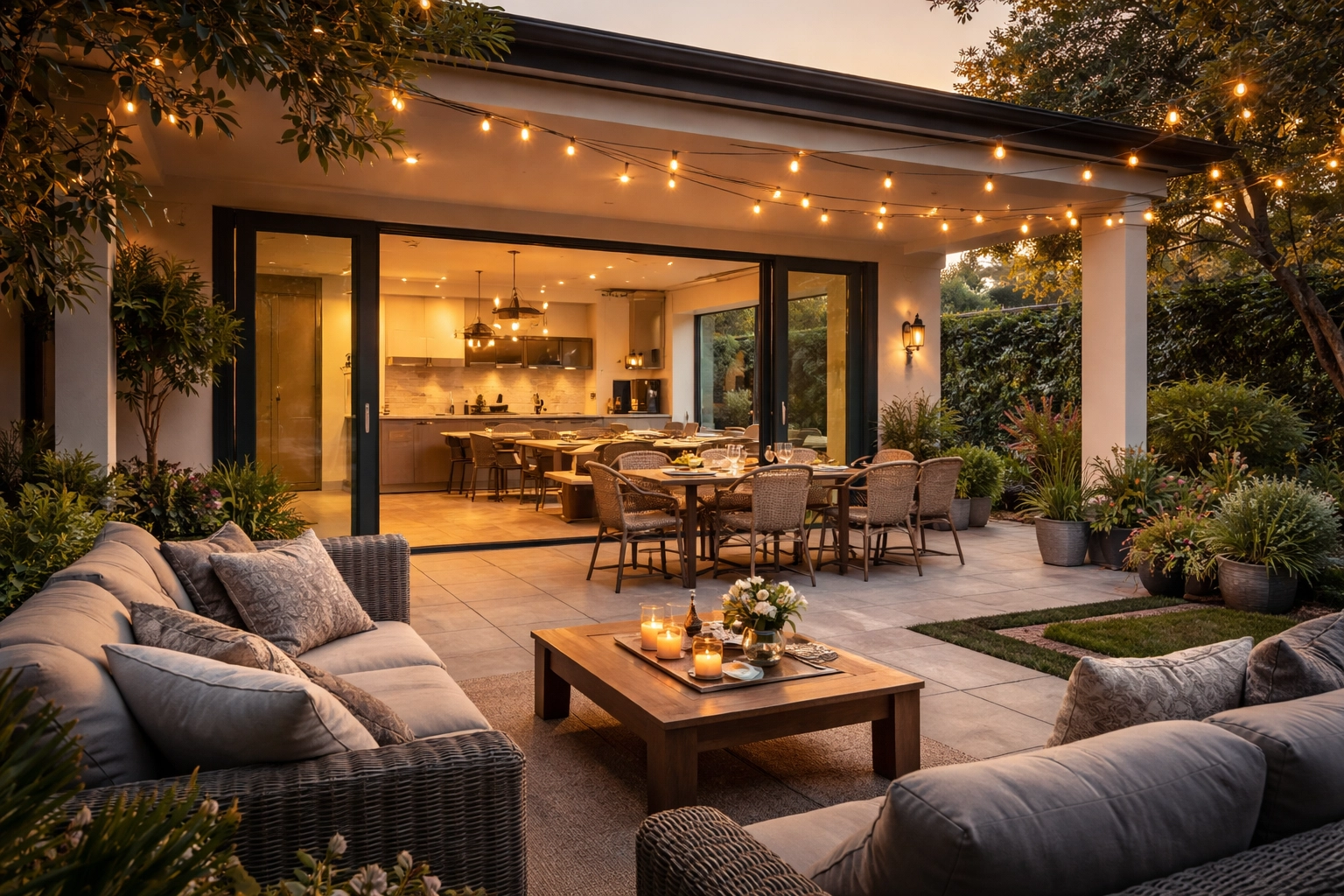
This is fantastic news for flippers. Adding or upgrading outdoor living spaces is often more affordable than major interior renovations, and the return on investment can be substantial. Even something as simple as installing French doors that lead to a small patio can transform the way a home feels and significantly boost its appeal.
Functional Hardworking Spaces
Gone are the days when buyers were willing to dump their bags and shoes by the front door. Mudrooms, utility zones, and dedicated entryways have moved from optional to essential.
If you are renovating a property, look for opportunities to carve out these functional spaces. A small mudroom with built-in storage near the garage entrance can be a major selling point. A well-organized laundry room with folding space and storage will catch a buyer's eye. These hardworking areas might not be glamorous, but they make daily life easier, and that matters to today's buyers.
Multi-Generational Flexibility
More families are living under one roof than at any point in recent memory. Whether it is aging parents moving in, adult children staying longer, or extended family members sharing expenses, multi-generational living is a significant trend shaping buyer preferences.
Two-story designs with first-floor primary suites are particularly popular because they accommodate different needs under one roof. If you are evaluating a property for its flip potential, consider whether the layout could work for a multi-generational household. Homes that offer privacy and flexibility for different family configurations are commanding premium prices.
What This Means for Investors and Flippers
So how do you take all of this information and turn it into actionable strategy? Here are the key takeaways to guide your next project.
Stop defaulting to demolition. Before you knock down a wall to create an open floor plan, pause and consider whether a zoned approach might actually be more appealing. Sometimes keeping a partial wall, adding a sliding door, or incorporating architectural details to define spaces will resonate more with buyers.
Prioritize flexibility. When staging or renovating, think about how spaces can serve multiple purposes. A room that functions as both a guest bedroom and a home office is more valuable than a room that only works for one thing.
Invest in outdoor living. Adding a covered patio, upgrading a deck, or installing doors that open to the backyard can dramatically increase a property's appeal without breaking the bank.
Do not forget the functional spaces. Mudrooms, entryways, and laundry rooms might not be the flashiest features, but they matter to buyers. Look for opportunities to add or improve these areas.
Think about multi-generational appeal. If a property has a layout that could work for extended family living, highlight that potential. First-floor primary suites and secondary living spaces are major draws.
The Bottom Line
Open floor plans are not going anywhere, but they are no longer the one-size-fits-all solution they once were. The 2026 buyer wants connection and flow, but they also want definition, flexibility, and purpose-driven spaces.
As a real estate investor or flipper, your job is to meet buyers where they are. That means staying informed about evolving preferences and adapting your approach accordingly. The investors who understand these shifts and design their renovations around what buyers actually want are the ones who will see the best returns.
Ready to dive deeper into market trends and connect with resources that help you make smarter investment decisions? Head over to Quixsale and explore how our platform can support your next project.