
The Rise of the Medium-Term Rental: Is 2026 the Year of the Digital Nomad?

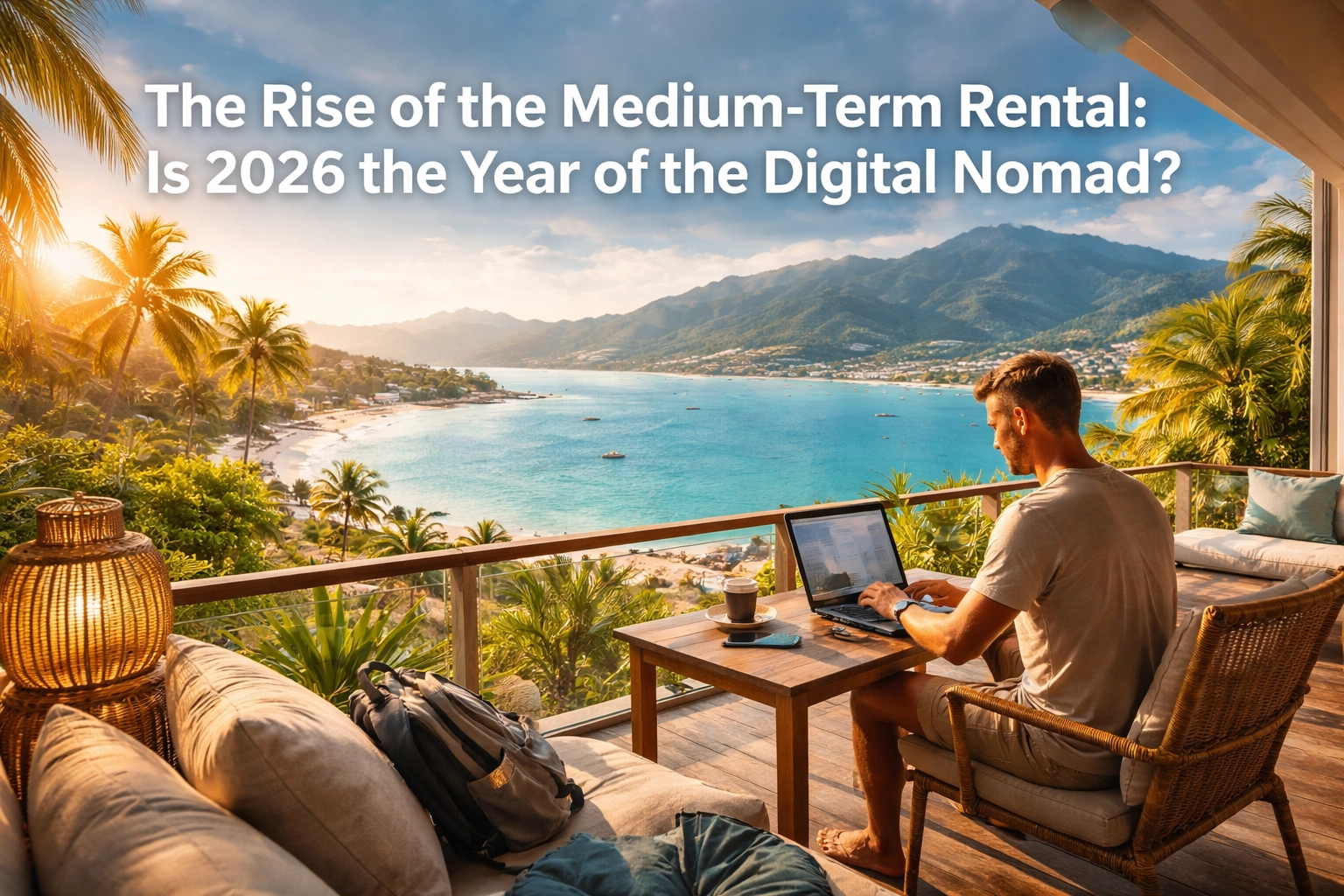
The real estate investment landscape is shifting, and if you have not been paying attention to the medium-term rental market, now is the time to tune in. While short-term vacation rentals grabbed all the headlines over the past decade, a quieter revolution has been brewing. One that offers investors the best of both worlds without the regulatory headaches or constant turnover.
Welcome to the rise of the medium-term rental. And yes, 2026 might just be the year it goes mainstream.
What Exactly Is a Medium-Term Rental?
Let us start with the basics. A medium-term rental, often called an MTR, typically refers to furnished properties rented out for stays lasting anywhere from 30 to 90 days. Some definitions stretch this to include stays up to six months or even a year, but the sweet spot most investors target falls in that one-to-three-month range.
Think of it as the middle ground between a traditional 12-month lease and a weekend Airbnb booking. Your tenant is not just passing through for a quick vacation, but they are also not looking to settle down for the long haul. They need a place that feels like home, just temporarily.
This distinction matters more than you might think. It changes everything from how you furnish the property to how you market it and who you attract as tenants.

The Driving Forces Behind MTR Demand in 2026
So who exactly is renting these properties? The answer might surprise you with its diversity.
Digital Nomads and Remote Workers
The remote work revolution is not slowing down anytime soon. Professionals who can work from anywhere are increasingly choosing to do exactly that. They want to experience different cities, test out potential relocation destinations, or simply break the monotony of working from the same home office every single day.
These tenants value flexibility, reliable high-speed internet, and a comfortable workspace more than almost anything else. They are often responsible, professional, and treat your property with respect because they are literally living and working there.
Traveling Healthcare Professionals
Traveling nurses and other healthcare workers on temporary assignments have become a massive driver of MTR demand. These professionals typically take 13-week contracts at hospitals across the country, and they need fully furnished housing that feels like more than a sterile hotel room.
This tenant segment is particularly attractive because they have steady income, are often reimbursed for housing by their employers, and tend to be low-maintenance occupants focused on their demanding work schedules.
Corporate Relocations and Business Assignments
Companies are increasingly sending employees on extended projects, training programs, or trial relocations before committing to permanent moves. These corporate tenants often have housing stipends and are looking for quality accommodations that feel more personal than an extended-stay hotel.
The relocation segment is actually one of the fastest-growing categories in the MTR space. As businesses adapt to hybrid work models and distributed teams, the need for flexible intermediate housing continues to climb.

Families in Transition
Life happens. Divorces, home sales that close before the new purchase is ready, renovation projects that run long, or families caring for aging parents in another city. These situations create real demand for comfortable, furnished housing that can accommodate a family for a few months without the commitment of a year-long lease.
The Goldilocks Zone for Investors
Here is where things get really interesting for your portfolio. Medium-term rentals sit in what many investors call the Goldilocks zone. Not too hot, not too cold, but just right.
Higher Yields Than Long-Term Rentals
Because MTRs are furnished and offer more flexibility, you can typically command a premium over traditional long-term rental rates. We are talking about 20 to 50 percent higher monthly rents in many markets. That premium adds up fast over the course of a year.
Your tenants are paying for convenience, flexibility, and the ability to show up with just their suitcases. That value translates directly into your bottom line.
Less Hassle Than Short-Term Rentals
Anyone who has managed a vacation rental knows the grind. Constant guest communication, cleaning between every stay, restocking supplies, dealing with party-goers who ignored your house rules, and the never-ending stream of reviews to manage.
With MTRs, you dramatically reduce that operational burden. One tenant for three months means one check-in, one checkout, and far fewer cleaning fees eating into your profits. Your property management workload drops significantly while your income stays strong.
Fewer Regulatory Hurdles
Short-term rental regulations have tightened considerably in cities across the country. Permits, occupancy taxes, neighborhood restrictions, and outright bans have made the Airbnb game increasingly complicated and risky.
Medium-term rentals often fly under this regulatory radar. Because stays exceed 30 days, they typically fall outside the short-term rental ordinances that have caused so many headaches for investors. Always check your local regulations, but in most markets, MTRs offer a much smoother path.

How to Prep Your Property for the MTR Market
Ready to position a property for this growing niche? Here is what separates a successful MTR from one that sits vacant.
Furnish It Thoughtfully
Your tenants are living here for months, not days. That means you need more than basic vacation rental furniture. Invest in comfortable, durable pieces that feel like home. A quality mattress, a real couch instead of a futon, and enough storage space for someone unpacking for an extended stay.
Think about what you would want if you were working remotely from this space for the next three months. That mindset will guide your furnishing decisions.
Prioritize Connectivity
This cannot be overstated. High-speed, reliable internet is non-negotiable for this tenant base. Digital nomads and remote workers will pass on your property instantly if the wifi situation is questionable.
Invest in the best internet package available in your area and consider backup solutions. A workspace with good lighting and an ergonomic setup will also set your listing apart from competitors.
Create a Functional Kitchen
Unlike short-term guests who eat out for most meals, MTR tenants will be cooking regularly. Stock your kitchen with real cookware, decent knives, and enough dishes and utensils to actually prepare meals. A slow cooker, a coffee maker, and quality pans go a long way.
Handle the Utilities
Simplify the experience by including utilities, internet, and basic streaming services in your rental rate. Your tenants do not want to set up accounts for a two-month stay, and bundling everything makes your property infinitely more attractive.

Why 2026 Is the Year to Move on This
Several factors are converging to make this the ideal moment to explore the MTR strategy.
A slowdown in new construction is limiting available rental units across the country. This supply constraint creates favorable conditions for well-maintained, furnished properties to command premium rates. When inventory is tight, quality stands out even more.
Remote and hybrid work trends continue reshaping where people choose to live. Demand is increasingly directed toward suburban areas and mid-sized cities rather than expensive coastal metros. This opens up opportunities in markets that might have seemed less exciting just a few years ago.
The tenant pool for MTRs is diversifying and growing. What started as a niche for traveling nurses has expanded to include corporate professionals, relocating families, skilled trade workers, and yes, the ever-growing digital nomad population.
Find Your Next MTR Opportunity on Quixsale
The medium-term rental opportunity is real, and it is growing. Whether you are a seasoned investor looking to diversify your strategy or you are just embarking, MTRs deserve your attention in 2026!
At Quixsale, you are not buying into hype—you are getting the tools to search, compare, and spot real investment opportunities. Think “Zillow for investors,” but built for deal-focused decision-making. Dive into the current inventory, filter by what matters most to you, and keep an eye on new listings as they hit the platform.
No promises of “perfect” MTR-ready homes—just a streamlined way to navigate what is available right now, connect with sellers, and move fast when the right opportunity shows up.
The flexible housing market is not slowing down. The question is: will you be ready to seize your next move?