The Rate Buydown Secret: How to Save Your Deal Without Slashing the Price


You have a motivated seller, a qualified buyer, and a property that checks all the boxes. Then the financing conversation happens, and suddenly the deal is on life support. The buyer loves the home but cannot stomach the monthly payment. The seller refuses to drop the price another twenty thousand dollars. You are stuck in the middle watching a commission slip through your fingers.
Sound familiar? In the 2026 Florida market, this scenario plays out daily. Rates have come down from their peak, but affordability remains a sticking point for many buyers. The knee-jerk reaction is always the same: cut the price. But here is the thing: a price reduction is often the least effective tool in your arsenal when it comes to saving a deal.
There is a smarter play, and it is called the rate buydown.
Why Price Cuts Are a Blunt Instrument
When a deal starts to wobble, the first suggestion on the table is usually a price reduction. It feels logical. Lower price equals more affordable home, right?
Not exactly.
The problem is that a price reduction spreads its impact across the entire life of the loan. A ten thousand dollar price cut on a four hundred thousand dollar home might only translate to forty or fifty dollars off the monthly payment. For a buyer who needs two hundred dollars of breathing room to qualify or feel comfortable, you would need to slash the price by forty or fifty thousand dollars to get there.
That is a massive hit to your seller's equity. And in many cases, it still does not solve the buyer's real problem: monthly cash flow.

The Real Hurdle Is the Monthly Payment
Here is what seasoned agents already know: most buyers do not get hung up on the total purchase price. They get hung up on what they can afford to pay every single month.
A buyer might be pre-approved for a certain loan amount, but that does not mean they are comfortable maxing out their budget. Or they might be right on the edge of qualifying, and a slightly lower payment would push their debt-to-income ratio into the approval zone.
This is where a rate buydown becomes your secret weapon. Instead of reducing the price, you use seller concessions to temporarily lower the buyer's interest rate: and by extension, their monthly payment: during the critical first years of the loan. When you are sourcing opportunities through a real estate deal finder or an investment property MLS, this is the kind of lever that helps you keep promising deals alive.
What Exactly Is a Rate Buydown?
A rate buydown is a financing strategy where the seller (or sometimes the builder) pays a lump sum at closing to "buy down" the buyer's interest rate for a set period. The money goes into an escrow account and subsidizes the buyer's payments during the reduced-rate period.
There are a few common structures:
2-1 Buydown: The interest rate is reduced by two percentage points in year one and one percentage point in year two. By year three, the buyer pays the full permanent rate.
3-2-1 Buydown: The rate drops by three points in year one, two points in year two, and one point in year three before settling at the permanent rate.
1-0 Buydown: A simpler option with a one-point reduction in year one only.
Permanent Buydown: The seller pays discount points to lower the rate for the entire loan term, not just the initial years.
The temporary buydowns (2-1 and 3-2-1) are particularly popular in today's market because they provide immediate relief without requiring a massive upfront cost.

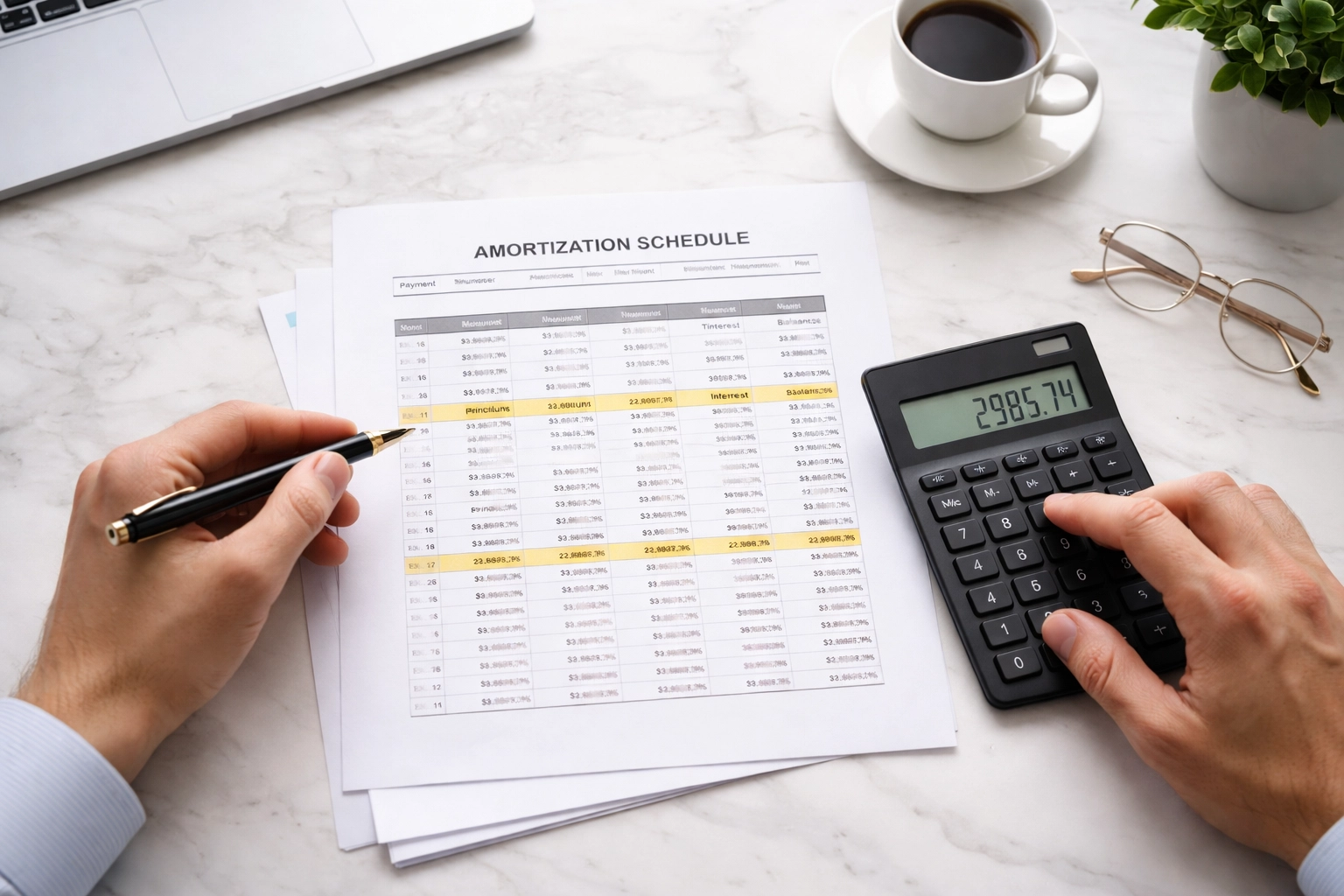
The Math That Makes This Work
Let us run through a real-world example to illustrate why a buydown often beats a price cut.
Assume you have a home listed at four hundred twenty-five thousand dollars. The buyer is pre-approved but is nervous about the monthly payment at a six percent interest rate. They ask the seller to drop the price by fifteen thousand dollars.
Scenario A: Fifteen Thousand Dollar Price Reduction
- New purchase price: $410,000
- Interest rate: 6%
- Monthly principal and interest: approximately $2,458
- Savings versus original payment: roughly $90 per month
Scenario B: Fifteen Thousand Dollar 2-1 Buydown
- Purchase price stays at: $425,000
- Year one rate: 4%
- Year two rate: 5%
- Year three onward: 6%
- Year one monthly payment: approximately $2,029
- Savings in year one: roughly $520 per month
Same dollar amount from the seller. Dramatically different impact on the buyer's monthly budget. In the first year alone, the buyer pockets over five hundred dollars a month in savings compared to ninety dollars from a price cut.
That is the kind of difference that gets deals across the finish line.
Helping Buyers Qualify
Beyond the psychological comfort of a lower payment, a buydown can actually help borderline buyers qualify for the loan in the first place.
Lenders calculate debt-to-income ratios based on the monthly payment. With a 2-1 or 3-2-1 buydown, some lenders will use the reduced first-year payment when running those numbers. This can be the difference between an approval and a denial for buyers who are right on the edge.
If you have ever lost a deal because a buyer could not quite clear underwriting, you know how painful that is. A buydown gives you another tool to work with when traditional qualification paths hit a wall.
Why Sellers Should Consider This Strategy
From the seller's perspective, a buydown can be a far more attractive option than a price reduction for several reasons.
Preserves the Sale Price: The home sells at or near the asking price, which protects the seller's equity and keeps comparable sales in the neighborhood healthy. This matters for appraisals and for other homeowners in the area.
Often Costs Less Than a Big Price Cut: As we saw in the example above, a fifteen thousand dollar buydown delivers far more buyer benefit than a fifteen thousand dollar price reduction. In many cases, sellers can achieve the same result with a smaller concession.
Speeds Up the Transaction: A buyer who feels comfortable with their payment is less likely to get cold feet. Fewer renegotiations, fewer delays, and a smoother path to closing.
Competitive Edge in a Crowded Market: In areas with high inventory, offering a buydown can make a listing stand out without entering a race to the bottom on price.
The 2026 Florida Landscape
Florida's real estate market in 2026 presents a unique set of conditions. Rates have eased from the highs of previous years, but they are still elevated enough to impact affordability for many buyers. At the same time, inventory has grown in several metros, giving buyers more options and more negotiating power.
For Realtors, this means you need every tool at your disposal to keep deals together. Buyers are more cautious, and sellers are competing for attention. A rate buydown allows you to bridge the gap without sacrificing value on either side of the transaction.
This is especially relevant in markets like Tampa, Orlando, and Jacksonville, where price appreciation has cooled and days on market have increased. A creative financing solution can be the differentiator that moves a stale listing.

How to Pitch It to Your Clients
Bringing up a buydown requires a bit of finesse, particularly with sellers who may not be familiar with the concept.
For Sellers: Frame it as a smart investment rather than a giveaway. Explain that a buydown often costs less than a price reduction while delivering more value to the buyer. Emphasize that it protects their sale price and can attract more serious offers.
For Buyers: Position the buydown as a way to ease into the mortgage. The lower payments in years one and two give them time to settle in, potentially increase their income, or refinance if rates drop further.
For Both Parties: Make sure everyone understands the mechanics. The money goes into escrow and is applied to the buyer's payments: it is not a discount or a rebate. It is a structured benefit that helps the deal work for everyone.
Turn Stalled Deals Into Closings
The rate buydown is not a new concept, but it remains underutilized by many agents. In a market where affordability is the primary obstacle, knowing how to structure and present a buydown can set you apart from the competition.
Next time a deal starts to slip because of monthly payment concerns, resist the urge to immediately suggest a price cut. Run the numbers on a buydown instead. You might find that a smaller seller concession delivers a bigger result: and keeps your commission intact.
For more strategies to sharpen your real estate game, explore our latest insights at Quixsale News and Articles.