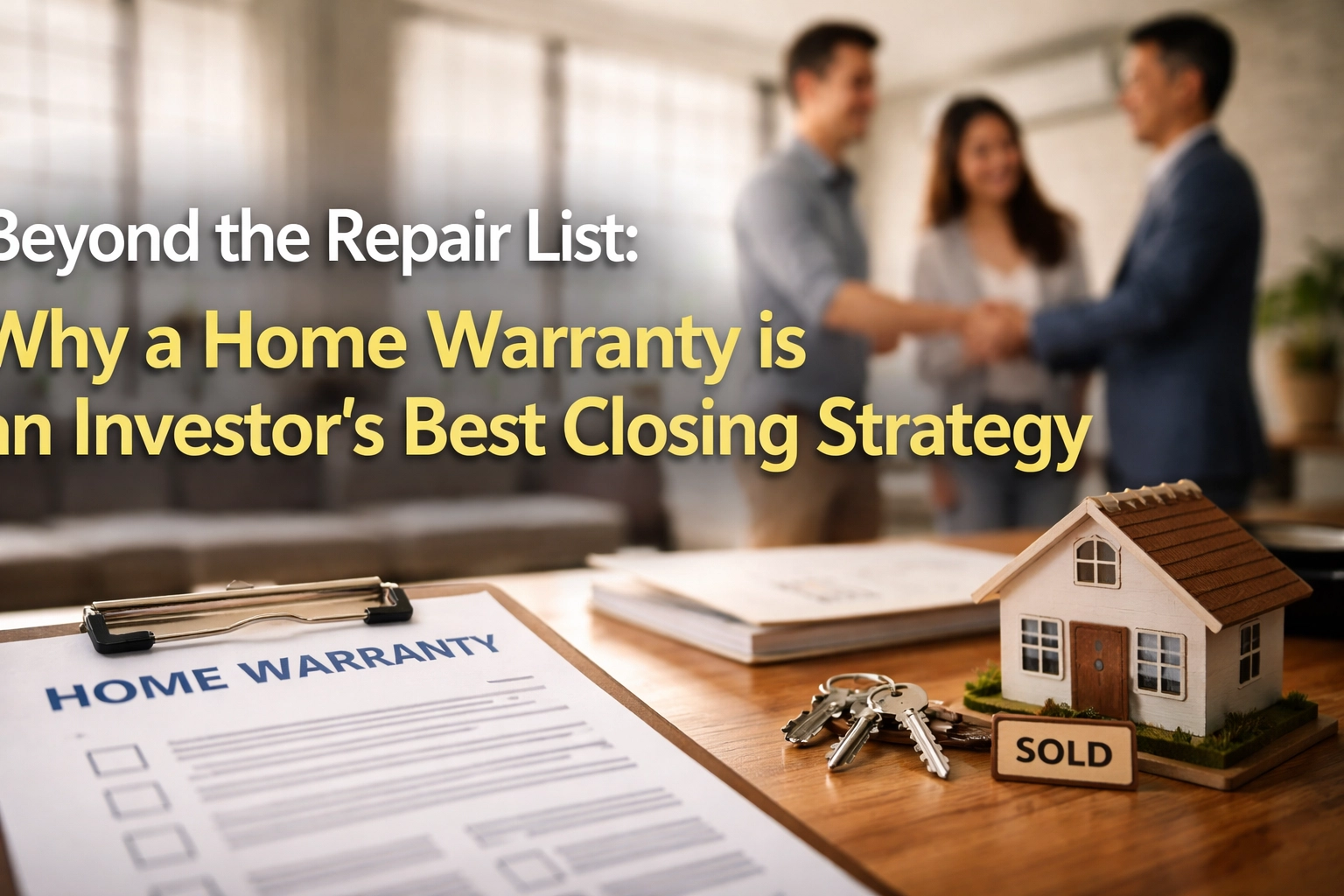
Beyond the Repair List: Why a Home Warranty is an Investor's Best Closing Strategy

You have done everything right. The rehab is complete, the property is staged, and the listing photos look incredible. Then the inspection report lands, and suddenly your buyer is nervous about the age of the HVAC system or the water heater that is "functional but nearing end of life."
Sound familiar? If you have been investing in real estate for any length of time, you know that the stretch between accepted offer and closing day can feel like walking a tightrope. Buyer objections pop up out of nowhere, and deals that seemed rock-solid start to wobble.
Here is the thing: savvy investors in 2026 are not just hoping for smooth closings. They are engineering them. And one of the most underutilized tools in your arsenal is surprisingly simple: a home warranty.
The Psychology Behind Buyer Hesitation
Let us talk about what is really happening when a buyer gets cold feet after an inspection. It is rarely about the actual repair costs. It is about fear of the unknown.
Your buyer is already stretching their budget to purchase this property. They are thinking about moving costs, new furniture, maybe some cosmetic updates they want to make. The last thing they want is to move in and immediately face a $5,000 HVAC replacement or a plumbing emergency.
This fear is not irrational. It is human nature. And when buyers feel uncertain, they do one of two things: they ask for major concessions, or they walk away entirely.
A home warranty directly addresses this psychological barrier. It transforms "what if something breaks" from a source of anxiety into a non-issue. You are not just selling a property anymore: you are selling peace of mind.

What a Home Warranty Actually Covers
Before we dive into strategy, let us get clear on what we are talking about. A home warranty is a service contract that covers the repair or replacement of major home systems and appliances that break down due to normal wear and tear.
Know the Limits: Warranties Are Not a Catch-All (and That Is a Good Thing!)
A home warranty can be a transformative closing tool, but only when everyone understands what it is (and what it is not). It is not a blank check for every issue a home has ever had. Most policies are designed to cover components that were in good working order at the time of closing, then fail later from normal wear and tear.
To avoid misunderstandings, encourage buyers to read the actual policy details before they assume anything is covered, especially around:
- Aged systems and appliances: Older HVAC units, water heaters, or appliances may have caps, exclusions, or specific eligibility rules.
- Pre-existing conditions: Problems that existed before coverage starts (even if they were not obvious) are commonly excluded.
- Maintenance requirements: Many warranties require proof of routine upkeep, proper installation, and code compliance to approve claims.
This clarity protects you and your buyer! Set expectations early, point them to the exact plan terms, and you keep the deal moving with confidence instead of frustration later.
Typical coverage includes:
- HVAC systems (heating, ventilation, air conditioning)
- Electrical systems (wiring, panels, outlets)
- Plumbing systems (pipes, water heaters, toilets)
- Major appliances (refrigerator, dishwasher, oven, washer, dryer)
- Garage door openers
- Built-in microwaves and exhaust fans
The coverage period usually runs for one year from the closing date, and the buyer simply pays a small service fee (typically $75-150) when they need to use it.
This is not homeowners insurance. Insurance covers damage from events like fires, storms, or theft. A warranty covers the stuff that just wears out over time: which is exactly what buyers worry about with older properties.
The Numbers That Make This a No-Brainer
Here is where it gets interesting for you as an investor. A basic home warranty costs somewhere between $350 and $600 for a year of coverage. Premium plans with more extensive coverage might run $700-800.
Now consider this: properties with warranty coverage sell up to 50% faster than comparable unprotected properties. Even more compelling, warranty-protected homes can command a market value increase of up to 3%.
Do the math on a $300,000 property. A 3% premium is $9,000. Your investment? A few hundred bucks.
But speed matters just as much as price. Every month a property sits on the market costs you money: carrying costs, opportunity costs, and the risk of market shifts. If a warranty helps you close even two weeks faster, the ROI is obvious.
Neutralizing Inspection Jitters
The inspection is where deals go to die. Or at least, that is how it can feel sometimes.
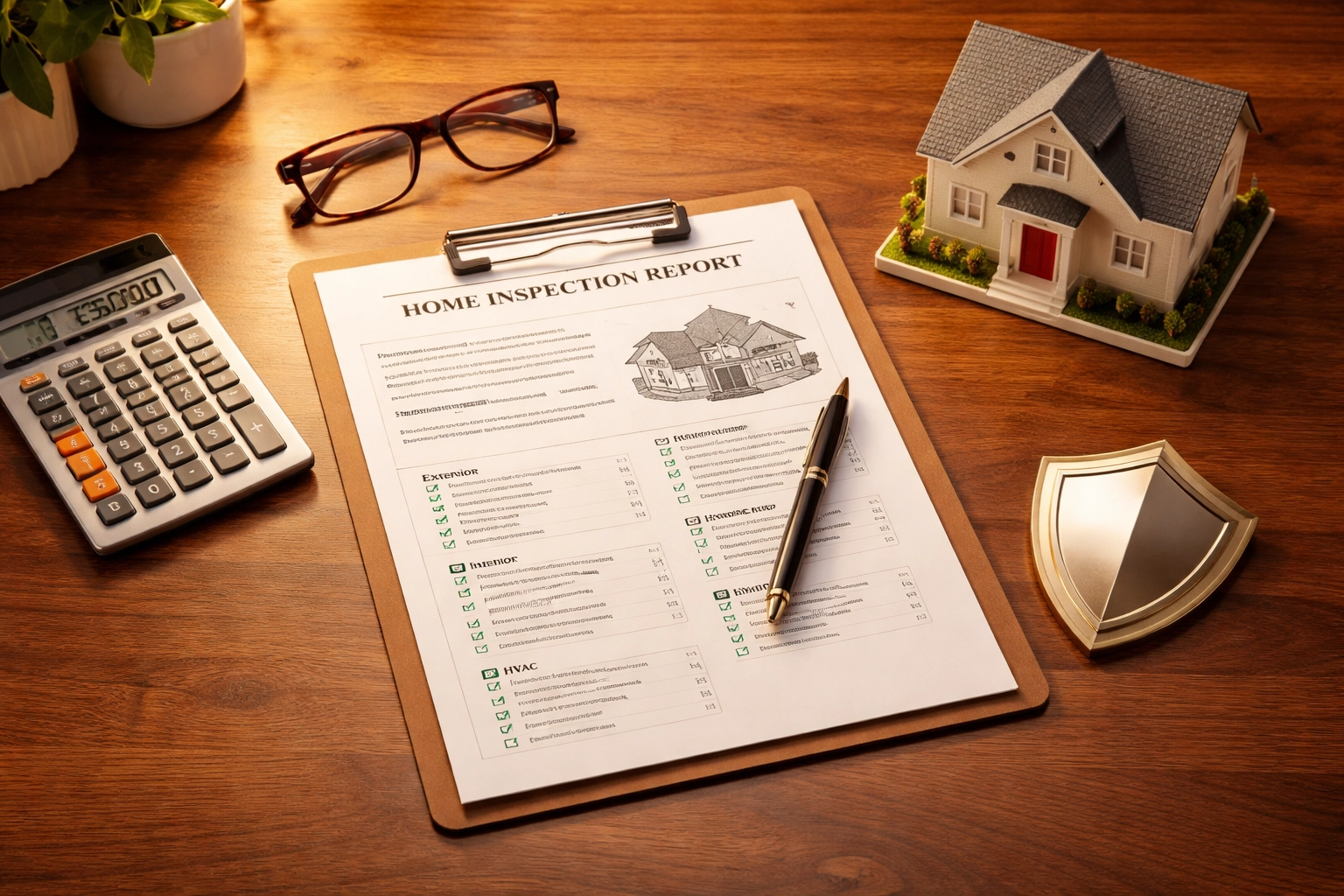
Your buyer's inspector walks through the property with a clipboard, noting every minor issue and aging component. By the time the report comes back, your buyer has a list of concerns that reads like a horror novel.
Here is the strategic move: present the home warranty proactively, before the inspection even happens. When you include warranty coverage in your listing or disclose it during negotiations, you are preemptively addressing concerns your buyer does not even know they have yet.
When the inspection report mentions that the water heater is 8 years old, your buyer already knows it is covered. When the HVAC unit gets flagged as "functional but aging," there is no panic. The warranty handles it.
This approach transforms potential deal-breakers into resolved concerns. Instead of renegotiating or watching your buyer spiral into anxiety, you keep the transaction moving forward smoothly.
Building Your Premium Reputation
In a competitive market, differentiation matters. A lot of investors are out there flipping properties and moving on to the next deal. That is fine, but it is also forgettable.
When you consistently offer home warranties with your properties, you build a reputation. Buyer agents start to notice. They remember that your properties come with protection, and they start recommending your listings to their clients.
This is how you become known as the investor who does things right. The one who stands behind their work. The one who treats buyers like partners rather than transactions.
In 2026, that reputation is worth its weight in gold. Buyers are more informed than ever, and they talk to each other. A few positive experiences with your properties can snowball into a steady stream of interested buyers whenever you list something new.
Reducing Your Post-Sale Liability
Here is something that does not get discussed enough: what happens after closing.
Even after you have handed over the keys and cashed your check, unhappy buyers can create headaches. Maybe the furnace dies two months after closing, and they start making noise about "undisclosed issues." Maybe they leave negative reviews that follow you around. Maybe they actually pursue legal action.
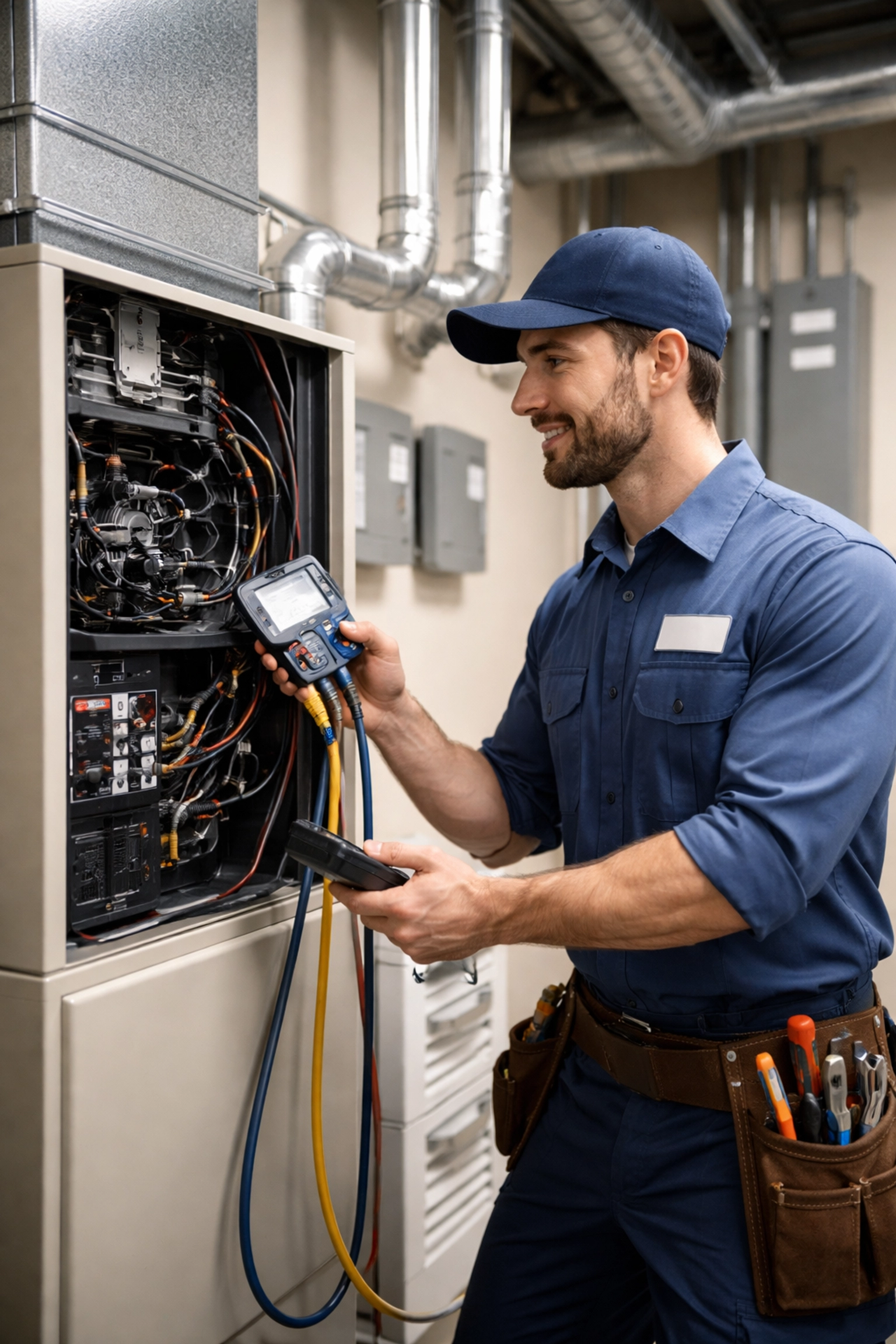
A home warranty creates a clear buffer. When something breaks, the buyer has a defined path to resolution that does not involve you. The warranty company handles the claim, sends out a technician, and takes care of the repair or replacement.
This is not about avoiding responsibility: it is about setting clear expectations. The warranty defines exactly what is covered and how claims work. There is no ambiguity, no finger-pointing, no drawn-out disputes about who should pay for what.
You close the deal and move on with confidence.
How to Present the Warranty Strategically
Timing and framing matter when you introduce the warranty to potential buyers.
In your listing: Mention the included home warranty as a feature. Something like "Seller providing one-year home warranty for buyer peace of mind" signals that you are a professional who anticipates buyer needs.
During negotiations: If a buyer raises concerns about aging systems or appliances during due diligence, the warranty becomes a powerful response. Instead of negotiating a price reduction, you can point to the protection already in place.
At closing: Make sure the warranty information is clearly documented and handed over. The buyer should know exactly how to activate coverage and file claims if needed.
The goal is to make the warranty feel like a thoughtful gesture, not an afterthought. You are demonstrating that you care about the buyer's experience even after the sale is complete.
The Bottom Line for 2026 Investors
Real estate investing is about managing risk and maximizing returns. A home warranty does both.
For a few hundred dollars, you accelerate your sales timeline, potentially increase your sale price, eliminate common buyer objections, protect your reputation, and reduce post-sale liability. That is an incredible return on a relatively small investment.
The investors who thrive in this market are the ones who think beyond the renovation checklist. They understand that closing a deal is about building confidence, removing friction, and creating a smooth path from offer to keys-in-hand.
A home warranty is one of the simplest ways to do exactly that.
Ready to level up your investment strategy? Explore more insights and connect with like-minded investors at Quixsale and check out our latest articles for more tactical approaches to the 2026 market.