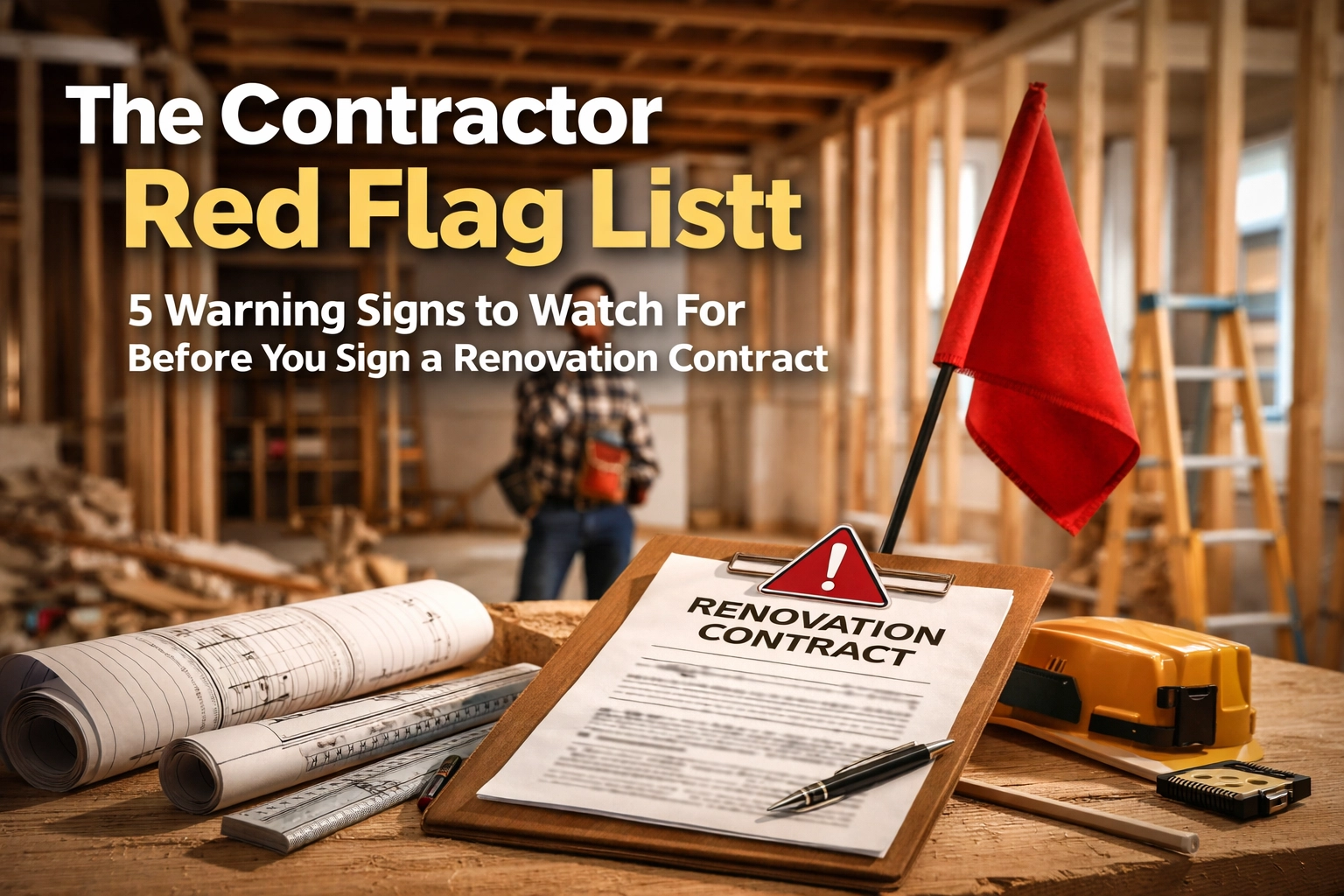
The Contractor Red Flag List: 5 Warning Signs to Watch For Before You Sign a Renovation Contract

Finding the right contractor can make or break your renovation project. Whether you are rehabbing a flip or upgrading a buy-and-hold rental, the person swinging the hammer has a direct impact on your timeline, budget, and bottom line.
The tricky part? Bad contractors rarely announce themselves as such. They show up with a firm handshake, a reasonable-sounding quote, and plenty of promises. It is only after the contract is signed: and sometimes after the damage is done: that the warning signs become painfully obvious.
The good news is that most problem contractors display red flags early in the process. You just need to know what to look for. Here are five warning signs to watch for before you sign on the dotted line.
Red Flag 1: They Want Too Much Money Upfront
Let us start with the most common (and most expensive) mistake investors make: paying too much before work begins.
A reasonable deposit to cover materials is standard. Depending on the scope of work, that might be 10 to 30 percent of the total project cost. But if a contractor asks for 50 percent or more upfront: or worse, full payment before a single nail is hammered: walk away.
Legitimate contractors tie payment schedules to project milestones. They get paid when they complete specific phases of work, not before. This structure protects you and keeps everyone accountable.

Here is another subtle version of this red flag: the contractor who is available to start immediately and seems almost too eager to lock you in. While it might feel like a lucky break, it can also indicate they are not properly booked, financially unstable, or have a reputation that keeps other clients away.
What to do instead: Structure your payment schedule around completion milestones. Hold back a final payment (often 10 to 15 percent) until all punch-list items are complete and you are satisfied with the work.
Red Flag 2: They Refuse to Sign a Written Contract
This one should be an automatic deal-breaker, but you would be surprised how often investors skip this step: especially when working with someone who came highly recommended or seems trustworthy.
A contractor who will not sign a contract is a contractor operating without accountability. No matter how friendly the relationship feels, a handshake deal leaves you exposed when things go sideways.
A clear, detailed contract should include:
- The full scope of work with specific descriptions
- A realistic timeline with start and completion dates
- A payment schedule tied to milestones
- Materials to be used (including quality grades)
- How change orders will be handled
- Warranty terms for the completed work
This document is your paper trail. If a dispute arises, it is the difference between having legal recourse and having nothing but a frustrating story to tell.
What to do instead: Insist on a written contract for every project, no matter how small. If a contractor pushes back or claims it is unnecessary, that tells you everything you need to know.
Red Flag 3: They Cannot Prove Licensing or Insurance
Before any work begins on your property, verify that your contractor is properly licensed and carries adequate insurance. This is not optional. It is one of the most important steps you can take to protect yourself.
An unlicensed contractor may not have the skills, training, or oversight required to do the job correctly. And if they are uninsured, you could be held liable for injuries that happen on your property or damage caused by substandard work.

Ask for proof of:
- A valid contractor's license (check with your state or local licensing board)
- General liability insurance
- Workers' compensation insurance (if they have employees)
Reputable contractors will provide this documentation without hesitation. If someone gets defensive or dodges the question, that is your cue to move on.
What to do instead: Make license and insurance verification a non-negotiable part of your vetting process. A quick phone call to your state licensing board can save you from a world of headaches later.
Red Flag 4: Communication Is Inconsistent or Evasive
Pay close attention to how a contractor communicates during the bidding and negotiation phase. If they are hard to reach, slow to respond, or vague in their answers before they have your money, imagine how much worse it will be once the project is underway.
Poor communication is one of the most frustrating (and common) contractor issues. It shows up in several ways:
- Calls and emails go unanswered for days
- Meetings get rescheduled repeatedly
- Questions about the project are met with vague or dismissive responses
- Progress updates are inconsistent or unclear
This kind of behavior often signals disorganization at best: and dishonesty at worst. Either way, it creates stress, delays, and cost overruns that you do not need.
What to do instead: Set clear communication expectations from the start. Request regular progress updates (daily or weekly, depending on the project) and ask for all important information in writing. If issues persist after you have addressed them directly, consider it a sign that this is not the right fit.
Red Flag 5: They Downplay or Avoid Permits
Be very cautious of contractors who claim permits are unnecessary, call them a "cash grab," or offer to skip them to save you time and money.
Permits exist for a reason. They ensure that work meets local building codes and safety standards. More importantly, unpermitted work can come back to haunt you in serious ways:
- City inspectors can require you to tear out completed work and start over
- You may face fines or legal action
- It can complicate the sale of the property down the road
- Insurance claims can be denied if unpermitted work is involved
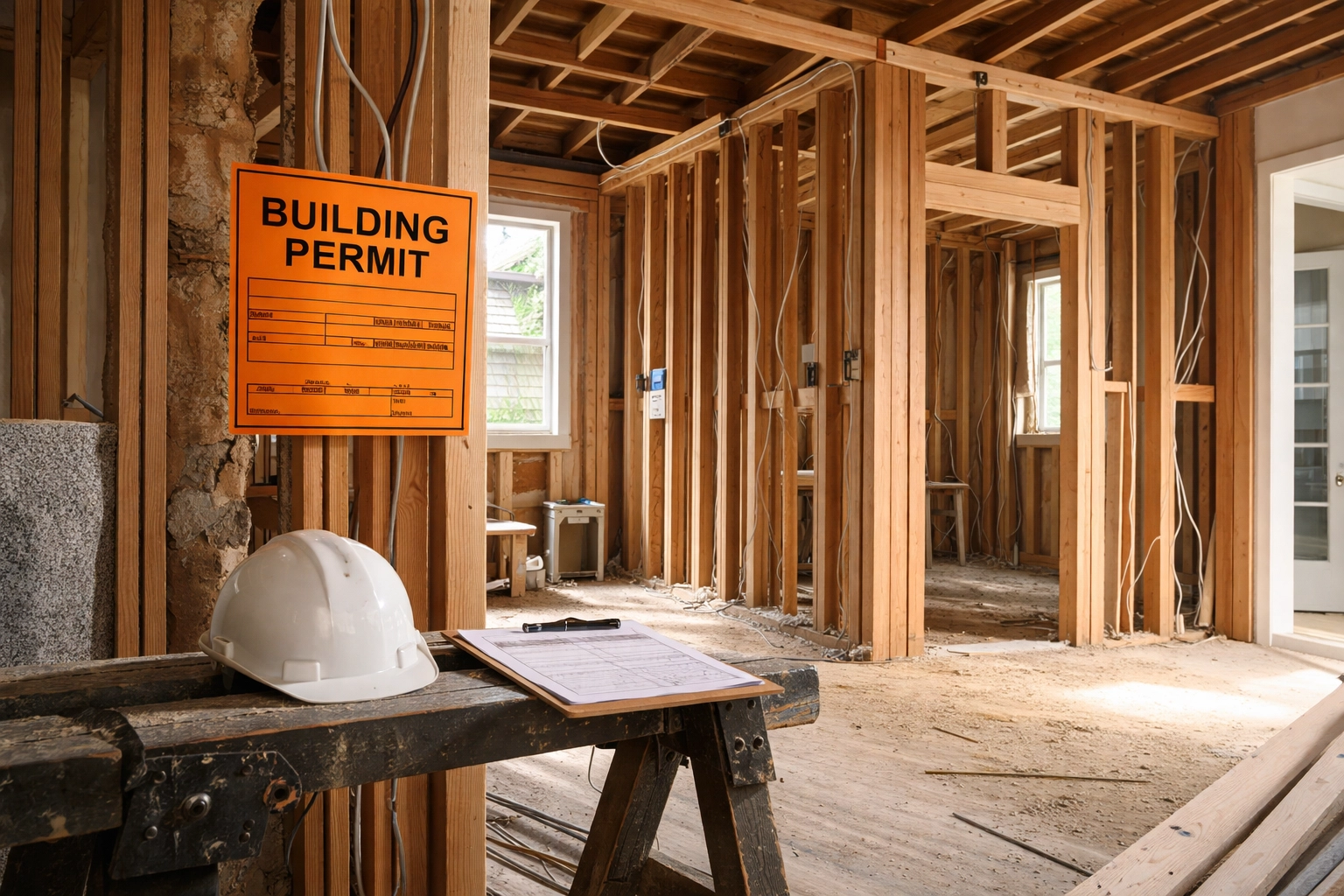
A contractor who tries to cut corners on permits is putting your investment at risk to make their own job easier. That is not someone you want on your team.
What to do instead: Research what permits are required for your specific project before you get bids. Ask each contractor how they plan to handle permitting, and verify that all necessary permits are pulled before work begins.
How to Protect Yourself Before You Sign
Spotting red flags is only half the battle. Here are a few additional steps to help you vet contractors more effectively:
Get multiple bids. Aim for at least three quotes on any significant project. This gives you a sense of the market rate and helps you identify outliers: both suspiciously low and unusually high.
Check references and reviews. Ask for references from recent projects similar to yours, and actually call them. Look for online reviews, but take them with a grain of salt. A few negative reviews among many positive ones may not be a dealbreaker, but patterns of complaints should raise concern.
Visit a current job site. If possible, ask to see a project the contractor is currently working on. This gives you a sense of how they manage a job site, treat their workers, and handle the day-to-day details.
Trust your gut. If something feels off during the bidding process, it probably is. Contractors who are defensive, evasive, or overly aggressive in pushing for a quick decision are often hiding something.
Build Your Renovation Team with Intention
Your contractor is one of the most important partners in your real estate investing journey. A great one can help you maximize returns, stay on budget, and avoid costly surprises. A bad one can drain your profits and derail your timeline.
Take the time to vet thoroughly. Ask the hard questions. And never let urgency or a "good deal" pressure you into skipping due diligence.
The right contractor is out there. By watching for these red flags and trusting your instincts, you will be in a much stronger position to find them.